greenhouse gas emissions
Australia’s Greenhouse Gas emissions will increasingly be under scrutiny.
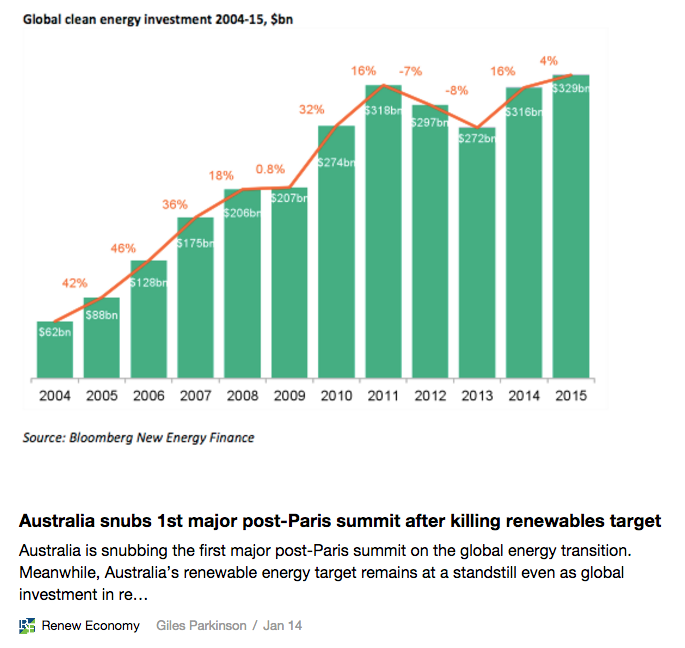
In the last few years Australia’s attempt at reducing its Greenhouse Gas emissions has faltered. Our inability to effectively control emissions will have ramifications on the commitments we made in Paris and potentially our ability to negotiate future trade agreements. Unfortunately, Australia has a record of not pulling its weight in this area. Hopefully our leaders will ensure that we meet the obligations that we agreed to in Paris.
Further reading






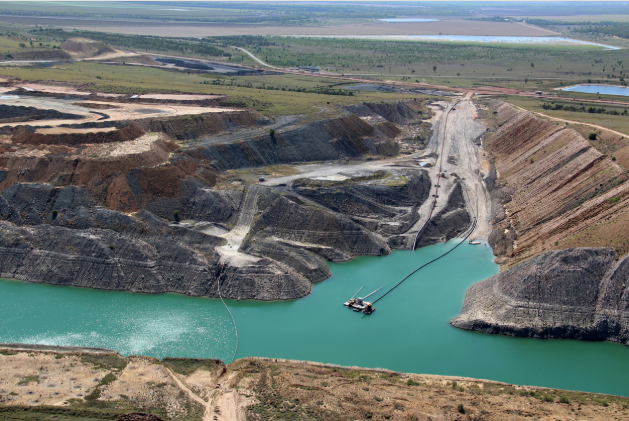










Existing supply chain management practices have traditionally focused on cost, service and quality. The new requirement to manage carbon emissions has resulted in carbon being the fourth criteria. With the possibility of a price on carbon, new opportunities arise for companies to exploit a competitive advantage by effectively managing carbon in the supply chain and to work strategically with their suppliers.

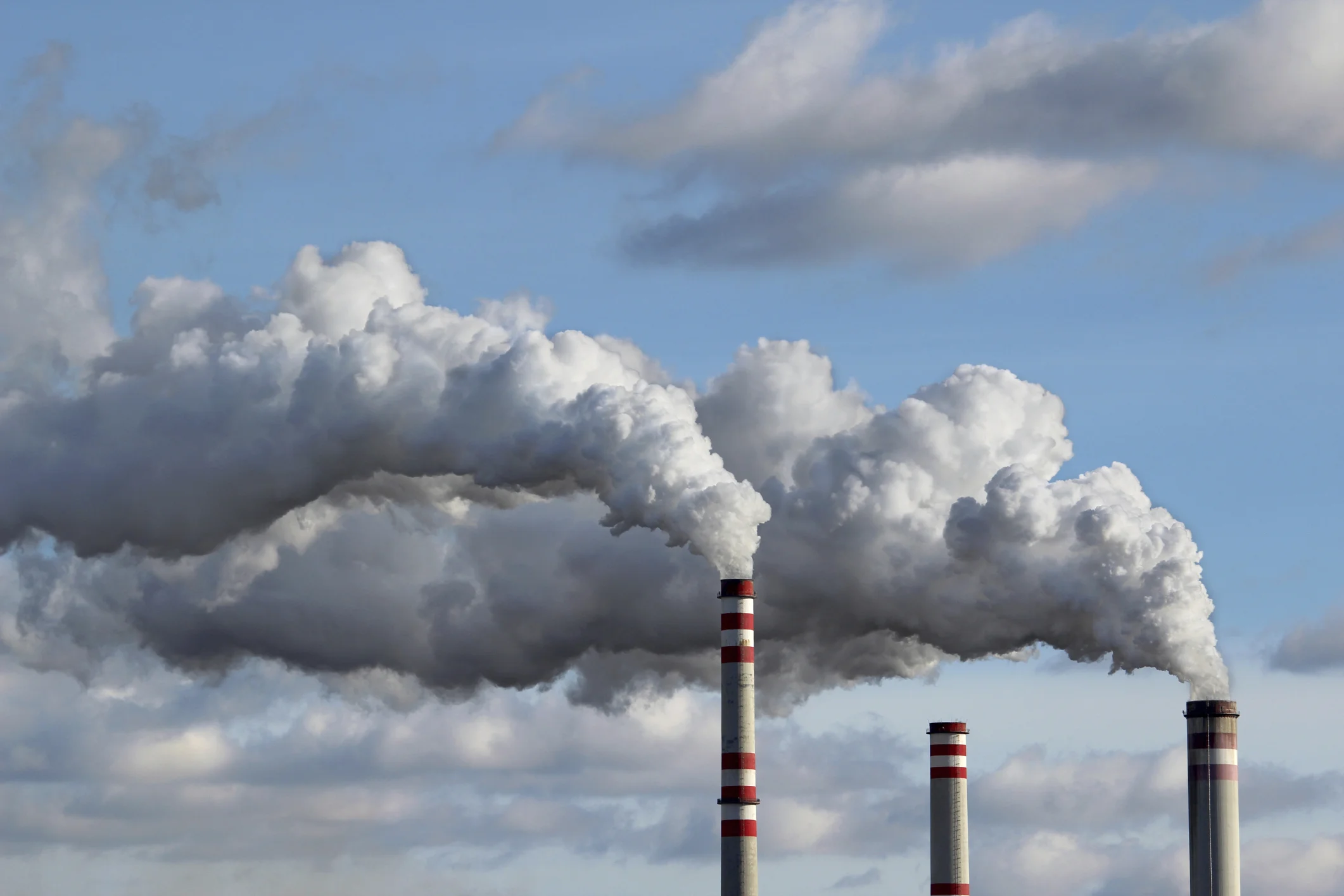
The term “carbon footprint” refers to the amount of pollution an activity generates. It can be ascribed to a manufacturing, a service or a transport activity – or to an individual. It is typically measured by totalling up the quantity of greenhouse gas pollutants emitted by the activity over a year or the life of a product.


The term “climate change” refers to changes in long-term trends in climate that have been caused by human activity. Since the Industrial Revolution, the extensive burning of coal and petroleum has resulted in large amounts of carbon dioxide being emitted to the atmosphere. Extensive land clearing has had similar results.